Estonia Digital Nomad Visa
Digital Nomad Visa
Overview
Nomad Score
Our unique composite ratingFees, processing, online application
Duration, renewability, family
No tax on foreign income
Safety, healthcare, development
Internet, English, tap water
Nomad Score is calculated from visa accessibility, stay flexibility, tax benefits, living quality (UNDP, UNODC, WHO data), and digital infrastructure. Updated 2026-04-05.
Application Process
Prepare Documents
Gather 6 required documents including valid passport, proof of income (€4,500+/month for 6 months)
Submit Application
Submit at an embassy or consulate abroad
Processing
Wait 15-30 days for a decision
Approval
Receive your visa approval (fee: $100)
Arrive & Register
Register within Must register within 30 days of arrival
Prepare Documents
Gather 6 required documents including valid passport, proof of income (€4,500+/month for 6 months)
Submit Application
Submit at an embassy or consulate abroad
Processing
Wait 15-30 days for a decision
Approval
Receive your visa approval (fee: $100)
Arrive & Register
Register within Must register within 30 days of arrival
Visa Requirements
Financials
- Income Proof
Gross income of at least €4,500/month demonstrated over the past 6 months. Accepted evidence includes bank statements, payslips, contracts, or invoices. Audited statements preferred.
- Income Type
monthly
Background & Health
- Health Insurance Required
- Background Check Required
- Minimum Age 18+ years old
Advantages
- • No tax on foreign income
- • 12-month initial stay period
- • Visa is renewable
- • Family members can be included
- • Can apply from abroad without visiting an embassy
- • Low application fee ($100)
Disadvantages
- • High income requirement ($4,900/month)
- • No direct pathway to permanent residency
- • Background check required (adds processing time)
- • Cannot apply fully online
Policy Change History
Tracking visa requirement changes over time to help you stay informed.
Estonia Digital Nomad Visa launched — first in the world
Estonia became one of the first countries globally to offer a dedicated digital nomad visa category.
Source: Estonian Police and Border Guard Board
Real Nomad Experiences
What people are saying about applying for this visa — sourced from public social media posts.
💬 u/VaughnSterling r/digitalnomad 2024-11 Positive"Estonia — one-year digital nomad visa / residence permit: the pioneer option for remote workers who want stable legal status and excellent digital services; applies to employed or freelance remote workers."
Practical overview ranking Estonia among top 5 DN visa options
View original post →
Quotes are from public social media posts and may not reflect current visa policies. Always verify with official sources.
Tax & Legal
Foreign Income
Estonia generally does not tax foreign-sourced income for holders of this visa, making it highly attractive for remote workers.
Local Income
Income earned from local Estonia sources is taxable at standard rates.
Digital nomad visa holders working for foreign employers are generally not subject to Estonian income tax unless they become tax residents (183+ days). May still owe taxes in home country.
Living in Estonia
All ratings use a unified A–D scale. A = best for digital nomads in each category.
Moderate
Numbeo Cost of Living Index: 48/100 (NYC=100, lower=cheaper)
Safe
UNODC Homicide Rate: 1.8/100k population
Good Coverage
WHO Universal Health Coverage Index: 77/100
Good for Remote Work
Ookla Speedtest: 90 Mbps median download
High Development
UNDP Human Development Index: 0.890
Northern maritime — cold winters, cool summers, long daylight in summer
WHO/UNICEF JMP
Widely spoken
Climate classification
Sources: UNDP HDR 2024 · UNODC Homicide Data · WHO UHC 2023 · Numbeo · Ookla · WHO/UNICEF JMP. Updated 2025-07.
Common Questions
How much does the Estonia digital nomad visa cost?
How long can I stay in Estonia with a digital nomad visa?
Can I bring my family on a Estonia digital nomad visa?
Do I need to pay taxes in Estonia as a digital nomad?
Can I apply for the Estonia digital nomad visa online?
How do I renew my Estonia digital nomad visa?
Where to Live & Work
Tallinn
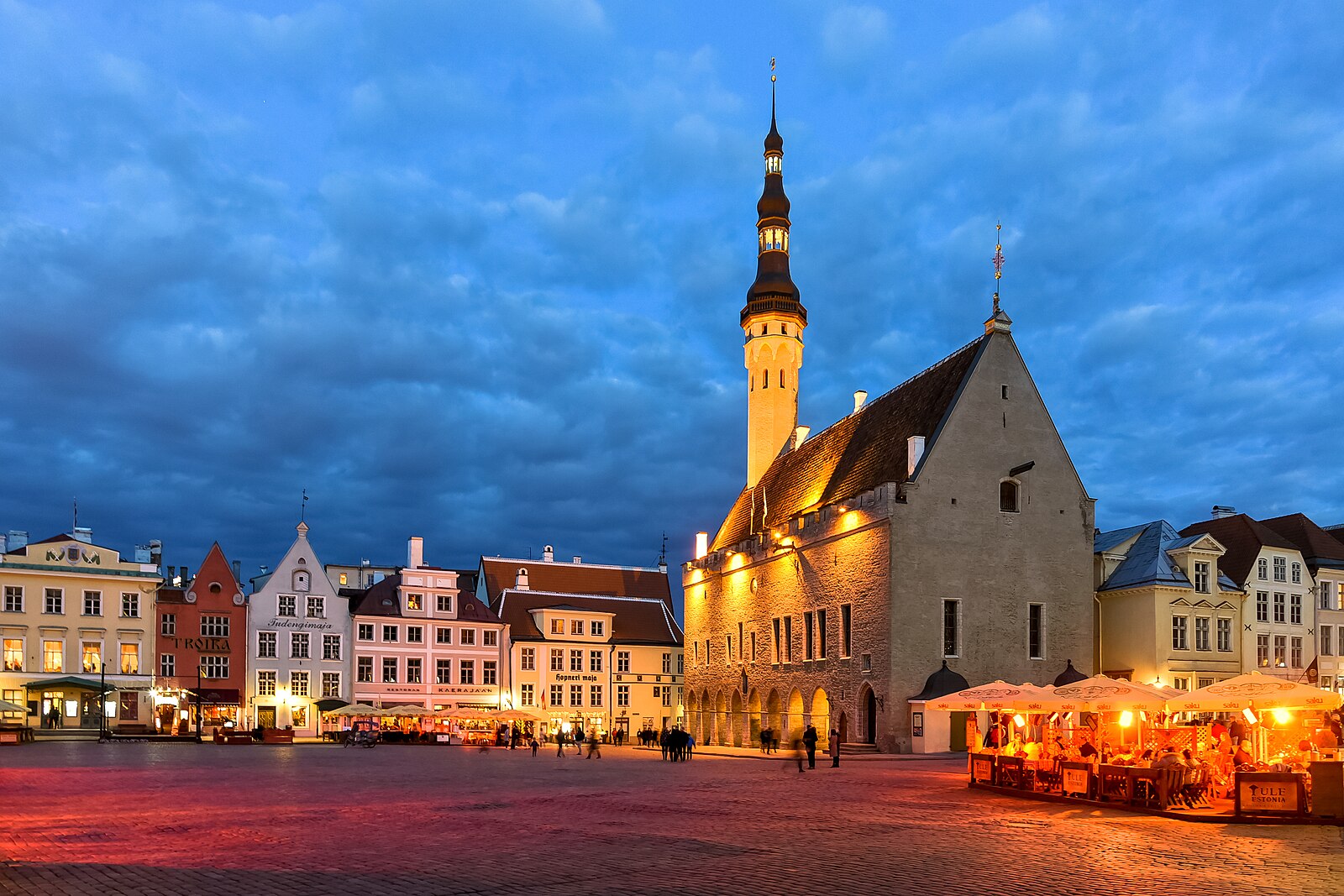
Europe most digital-forward city. E-residency program, medieval old town, strong tech ecosystem.
Popular Neighborhoods
Telliskivi / Kalamaja
Creative quarter, startups, craft breweries, markets
Best for: Tech workers and creatives wanting a hip area
Kesklinn (City Center)
Central, near old town, modern amenities
Best for: Those wanting convenience and walkability
Nomme
Green suburb, family-friendly, quieter
Best for: Families and those seeking nature within the city
Coworking Spaces
Iconic Estonian startup hub, great networking
Modern space with good community events
Premium space with multiple locations
Local Tips
- ● Winters are dark and cold (-20C) but cozy with saunas and cafes
- ● E-residency lets you run an EU business without living there
- ● Public transport is free for registered Tallinn residents
General Tips for Estonia
- ● Estonia pioneered the digital nomad visa in the EU
- ● E-residency program is excellent for freelancers wanting EU business presence
- ● English is widely spoken, especially among younger Estonians
Prices are approximate and based on publicly available data as of 2026-04. Actual costs vary by individual circumstances and market conditions.
After You Arrive
Personal Identification Code (Isikukood)
Required for most official transactions, bank accounts, phone contracts
Bank Account
Can open: Yes
Recommended: LHV Bank (digital-first), Swedbank, SEB, Luminor
Alternatives: Wise, Revolut widely used; LHV caters specifically to e-residents and digital nomads
Housing Search
Main platforms: City24.ee, KV.ee (most popular), Airbnb, Housing Anywhere
- • Furnished long-term rentals exist but less common than unfurnished
- • Deposit typically 1-2 months
- • Tallinn Old Town is touristy - locals prefer Kalamaja, Kadriorg, Kristiine
What Nobody Tells You
Estonia's Digital Nomad Visa (launched August 2020) is completely separate from e-Residency. E-Residency lets you run an Estonian business remotely but does NOT give you the right to live in Estonia. The Digital Nomad Visa gives you physical residence rights.
The €4,500/month ($4,900) requirement is one of the highest in Europe - it's about 2.7x the Estonian average wage of ~€1,700/month. This positions you as upper-middle class in Estonian terms.
Estonia was the first EU country to create a dedicated digital nomad visa program, beating Croatia by several months and inspiring many other EU nations to follow.
Estonia is one of the most digitally advanced countries in the world - 99% of government services are online, voting is digital, and starting a business takes 15 minutes online.
The distinction between Type C (90 days, €80) and Type D (12 months, €100) visas confuses many applicants. Most digital nomads want Type D for the full year.
Income in Context
Visa Requirement
$4,900/mo
Local Average Wage
$1,800/mo
Living Costs
The €4,500 monthly requirement ($4,900) is 2.7x the Estonian average wage of ~€1,700 ($1,800). This is one of the higher requirements in Europe. Tallinn rent: $600-900 for 1BR. Total monthly costs: $1,200-1,800, leaving comfortable margins at the required income level.
Estonia is more affordable than Western Europe but more expensive than Southern/Eastern Europe. Tallinn is the most expensive city; Tartu and Pärnu are 20-30% cheaper.
Advanced Questions
What's the difference between e-Residency and the Digital Nomad Visa?
Can I work for an Estonian company on the Digital Nomad Visa?
What happens if my visa application is rejected?
Do I need to leave Estonia to extend my visa?
Can I start an Estonian e-resident company while on this visa?
Compare Estonia with Other Visas
Side-by-side comparisons covering income, duration, tax, and application process.