Mauritius Digital Nomad Visa
Premium Travel Visa (Premium Visa)
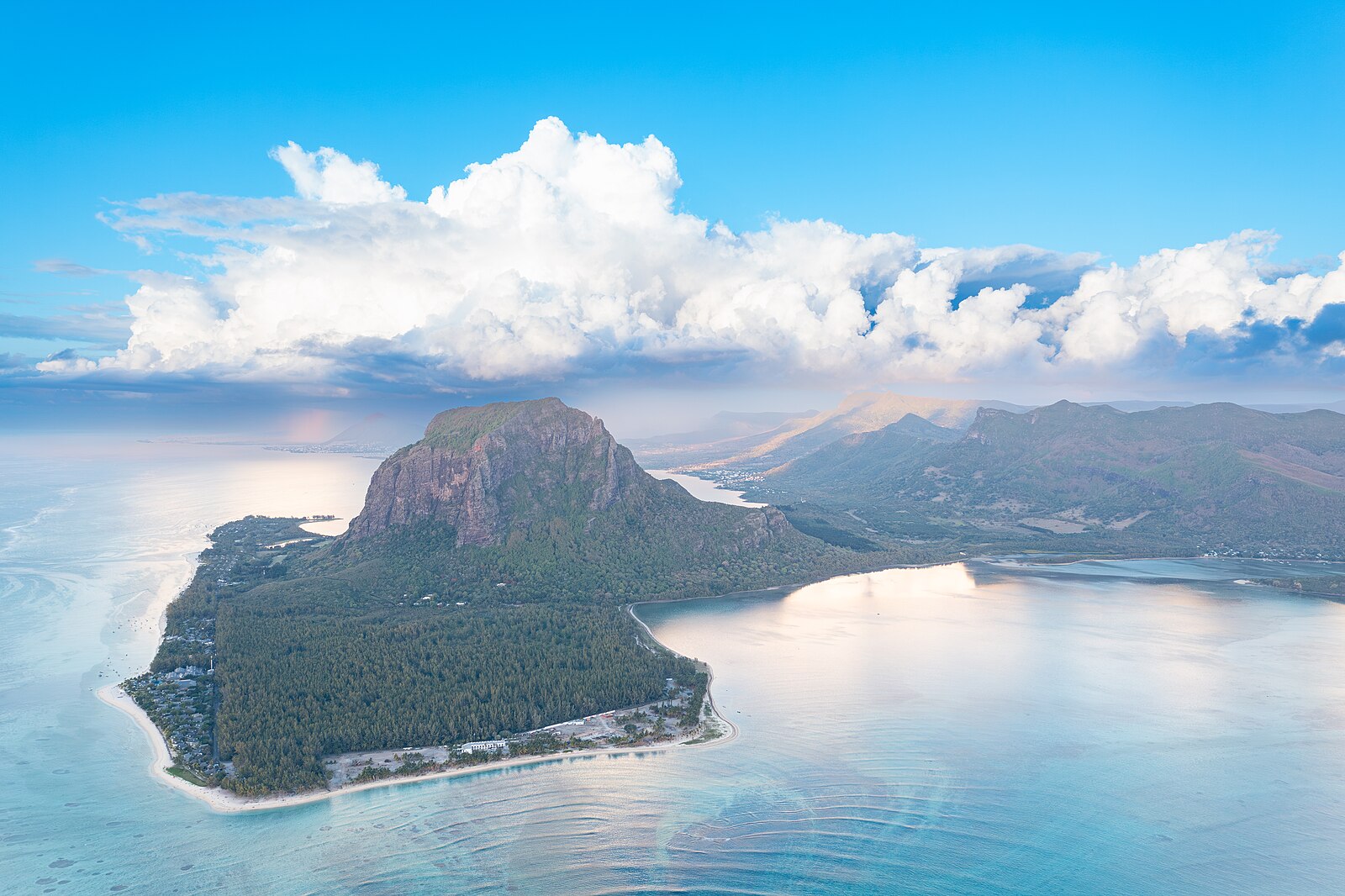
Overview
Nomad Score
Our unique composite ratingFees, processing, online application
Duration, renewability, family
No tax on foreign income
Safety, healthcare, development
Internet, English, tap water
Nomad Score is calculated from visa accessibility, stay flexibility, tax benefits, living quality (UNDP, UNODC, WHO data), and digital infrastructure. Updated 2026-04-04.
Application Process
Prepare Documents
Gather 7 required documents including valid passport (6+ months validity), proof of employment with foreign company or business ownership
Submit Application
Complete and submit the application online
Processing
Wait 7-14 days for a decision
Approval
Receive your visa approval
Arrive & Register
Arrive in Mauritius and complete any local registration
Prepare Documents
Gather 7 required documents including valid passport (6+ months validity), proof of employment with foreign company or business ownership
Submit Application
Complete and submit the application online
Processing
Wait 7-14 days for a decision
Approval
Receive your visa approval
Arrive & Register
Arrive in Mauritius and complete any local registration
Visa Requirements
Financials
- Income Proof
Must demonstrate monthly income of at least $1,500 USD per month or annual income of $18,000 USD from employment with foreign company or self-employment. Proof via bank statements, employment contracts, or business income documentation.
- Income Type
employment_or_business
Background & Health
- Health Insurance Required
- Background Check Not Required
- Minimum Age 18+ years old
Advantages
- • Foreign income not taxed
- • One of first/most established nomad visas (2020)
- • Free application (no visa fee)
- • 12-month initial stay
- • Renewable up to 2 years
- • Fast processing (7-14 days)
- • Can apply online
- • Can apply from abroad
- • English and French widely spoken
- • Beautiful beaches and nature
- • Stable democracy and economy
- • Good internet infrastructure
- • Established digital nomad community
- • Family members can join
- • Safe and welcoming
Disadvantages
- • Remote location - long flights to most destinations
- • Limited cultural activities compared to major cities
- • Humid tropical climate (can be uncomfortable)
- • Cyclone season (November-May)
- • Higher cost than Southeast Asia
- • Small island - limited variety
- • Can feel isolated for some
- • Public transport limited - car useful
- • Some infrastructure challenges (traffic, pollution in Port Louis)
Tax & Legal
Foreign Income
Mauritius generally does not tax foreign-sourced income for holders of this visa, making it highly attractive for remote workers.
Foreign income not taxed
Local Income
Income earned from local Mauritius sources is taxable at standard rates.
Mauritius does not tax foreign-sourced income for Premium Visa holders. Only local Mauritian income would be taxed. Remote workers pay no Mauritian tax on their foreign employment/business income. Mauritius has territorial tax system.
Living in Mauritius
All ratings use a unified A–D scale. A = best for digital nomads in each category.
Affordable
Numbeo Cost of Living Index: 38/100 (NYC=100, lower=cheaper)
Safe
UNODC Homicide Rate: 2/100k population
Adequate
WHO Universal Health Coverage Index: 63/100
Adequate — Coworking Recommended
Ookla Speedtest: 30 Mbps median download
Medium Development
UNDP Human Development Index: 0.796
Tropical maritime — warm year-round, cyclone season Nov–Apr
WHO/UNICEF JMP
Widely spoken
Climate classification
Sources: UNDP HDR 2024 · UNODC Homicide Data · WHO UHC 2023 · Numbeo · Ookla · WHO/UNICEF JMP. Updated 2025-07.
Common Questions
How much does the Mauritius digital nomad visa cost?
How long can I stay in Mauritius with a digital nomad visa?
Can I bring my family on a Mauritius digital nomad visa?
Do I need to pay taxes in Mauritius as a digital nomad?
Can I apply for the Mauritius digital nomad visa online?
What is the special tax regime in Mauritius?
How do I renew my Mauritius digital nomad visa?
Where to Live & Work
Grand Baie
Northern tourist hub. Beaches, restaurants, nightlife, shopping. Main digital nomad community. Most developed for expats.
Popular Neighborhoods
Grand Baie Center
Tourist center, busy, beach clubs, restaurants, nightlife
Best for: Social nomads wanting action and beach access
Pereybère
Quieter beach town, local feel, still convenient
Best for: Those wanting beach access with less tourist buzz
Mont Choisy
Upscale, beautiful beach, resort area, peaceful
Best for: Those seeking luxury and tranquility
Coworking Spaces
Main coworking space in north
Popular with nomad community
Many work from beachfront cafes with good wifi
Local Tips
- ● Grand Baie is nomad central - easiest to meet others
- ● Beach clubs and boat trips available
- ● Good restaurants and nightlife
- ● Can get crowded during peak season
Flic en Flac
West coast beach town. Long sandy beach, calm waters, more laid-back than Grand Baie. Growing expat community.
Popular Neighborhoods
Flic en Flac Center
Beach town, restaurants, bars, relaxed vibe
Best for: Beach lovers wanting quieter scene than Grand Baie
Cascavelle
Inland, shopping mall area, more affordable
Best for: Budget nomads prioritizing savings over beach
Coworking Spaces
Most work from cafes or home
Local Tips
- ● Best sunsets on west coast
- ● Calmer waters than east coast
- ● More affordable than Grand Baie
- ● Growing nomad presence
Port Louis
Capital and business center. Most local culture and services. Not beachy but urban conveniences. Cheaper.
Popular Neighborhoods
Waterfront
Modern, marina, shopping, restaurants, business district
Best for: Those prioritizing urban convenience over beach
Caudan
Business area, shopping complex, convenient
Best for: Budget-conscious seeking city life
Coworking Spaces
Tech hub and startup space
Various professional spaces
Local Tips
- ● Not a beach location - take weekend trips to coast
- ● Traffic congestion during rush hour
- ● Best for business networking
- ● More authentic Mauritian experience
Tamarin
West coast surf town. Surfing, yoga, bohemian vibe. Growing nomad community. Mountains and waterfalls nearby.
Popular Neighborhoods
Tamarin Beach
Surf town, yoga retreats, alternative vibe, nature lovers
Best for: Surfers, yogis, nature enthusiasts
Coworking Spaces
Work from surf cafes
Local Tips
- ● Best surfing in Mauritius
- ● Yoga and wellness community
- ● Rempart Mountain for hiking
- ● More bohemian than Grand Baie
General Tips for Mauritius
- ● Mauritius is Indian Ocean island nation 2,000km off East Africa coast
- ● Mauritian Rupee (MUR) - approximately 45 MUR to 1 USD
- ● English is official language alongside French - most locals bilingual
- ● Creole (Mauritian Creole/Morisyen) widely spoken daily
- ● Tropical climate - hot/humid/rainy (November-May), cooler/drier (June-October)
- ● Cyclone season November-May (most January-March)
- ● Driving is on the left (British influence)
- ● Multi-cultural: Indo-Mauritian, Creole, Chinese, French influences
Prices are approximate and based on publicly available data as of 2026-04. Actual costs vary by individual circumstances and market conditions.
After You Arrive
TAN (Tax Account Number)
Not needed for remote workers with foreign income only
Bank Account
Can open: Yes
Recommended: MCB (Mauritius Commercial Bank), SBM Bank, HSBC Mauritius, Barclays Mauritius
Alternatives: Wise works excellently for international transactions. Local account useful for utilities and local expenses.
Housing Search
Main platforms: Facebook Groups (Mauritius Digital Nomads, Expats in Mauritius), Airbnb (for initial stays), Property Cloud Mauritius, Lexpress.mu classifieds, Local real estate agents
- • Facebook groups are best for finding rentals
- • Furnished apartments common in tourist areas
- • Deposits: 1-2 months typical
- • Negotiate long-term rates (3+ months)
- • Utilities often extra
- • Start with short-term Airbnb then find local rental
What Nobody Tells You
Mauritius was one of the world's first digital nomad visas, launched in October 2020 during COVID. It's battle-tested and well-established. The government is supportive, processes are smooth, and there's genuine infrastructure for remote workers.
The island is more diverse than most realize. It's not just beaches - there are mountains (Le Morne, Black River Gorges), waterfalls (Chamarel), multicultural capital (Port Louis), surf towns (Tamarin), and party spots (Grand Baie). You won't get bored.
Mauritius has zero personal income tax on foreign earnings for Premium Visa holders. The territorial tax system means only Mauritian-sourced income is taxed. For a $5,000/month earner, that's $60k staying in your pocket annually (minus home country obligations if applicable).
Average Mauritian salary is around 25,000-30,000 MUR/month (~$600-700 USD). The visa requires $1,500/month (2.5x local average), putting you comfortably above local wages. Cost of living: $1,500-2,500/month for comfortable lifestyle.
The nomad community is real. Grand Baie has regular meetups, coworking spaces host events, and Facebook groups are active. Unlike Seychelles (isolated luxury), Mauritius has a genuine community while still offering Indian Ocean paradise.
Income in Context
Visa Requirement
$1,500/mo
Local Average Wage
$600/mo
Living Costs
Visa requirement: $1,500/month (or $18,000 annual) is 2.5x local average wage (~$600/month). Rent: $600-1,100 for 1BR depending on location. Total costs: $1,500-2,500/month for comfortable living. Grand Baie more expensive, Flic en Flac/Tamarin moderate, Port Louis cheapest. Nomads typically budget $1,800-2,800/month.
Mauritius is moderately priced - more expensive than Southeast Asia, cheaper than Europe. Rent and groceries reasonable. Dining out affordable ($8-20 per meal). Entertainment moderate. Grand Baie priciest, Flic en Flac and Tamarin mid-range, Port Louis cheapest. Budget $1,800-2,800/month for comfortable lifestyle.
Advanced Questions
Is Mauritius safe?
What about cyclones?
Is the internet reliable for remote work?
Do I need to speak French?
Can my family join me?
Can I bring my pet?
Is there a digital nomad community?
Compare Mauritius with Other Visas
Side-by-side comparisons covering income, duration, tax, and application process.