Uruguay Digital Nomad Visa
Residence Visa for Remote Workers
Overview
Nomad Score
Our unique composite ratingFees, processing, online application
Duration, renewability, family
No tax on foreign income
Safety, healthcare, development
Internet, English, tap water
Nomad Score is calculated from visa accessibility, stay flexibility, tax benefits, living quality (UNDP, UNODC, WHO data), and digital infrastructure. Updated 2026-04-04.
Application Process
Prepare Documents
Gather 8 required documents including valid passport (6+ months validity), proof of $1,500+ monthly income
Submit Application
Submit at an embassy or consulate abroad
Processing
Wait 30-90 days for a decision
Approval
Receive your visa approval (fee: $200)
Arrive & Register
Register within Within 30 days of arrival
Prepare Documents
Gather 8 required documents including valid passport (6+ months validity), proof of $1,500+ monthly income
Submit Application
Submit at an embassy or consulate abroad
Processing
Wait 30-90 days for a decision
Approval
Receive your visa approval (fee: $200)
Arrive & Register
Register within Within 30 days of arrival
Visa Requirements
Financials
- Income Proof
Minimum monthly income of $1,500 USD required. Employment contract with foreign employer, proof of business ownership, or bank statements for past 6 months.
- Income Type
monthly
Background & Health
- Health Insurance Required
- Background Check Required
- Minimum Age 18+ years old
Advantages
- • Most stable and safe country in Latin America
- • High quality of life and progressive policies
- • Beautiful beaches and pleasant climate
- • Renewable annually with path to permanent residency
- • Citizenship possible after 5 years
- • Modern infrastructure and reliable internet
- • Laid-back, relaxed lifestyle
- • Close to Buenos Aires (3-hour ferry) for weekend trips
- • Low corruption and strong institutions
- • Family-friendly environment
Disadvantages
- • More expensive than neighboring Argentina
- • Small country with limited city options
- • Montevideo can feel sleepy/boring for some
- • Limited nomad community compared to BA or Mexico City
- • Tax residency kicks in at 183 days
- • Slower pace may not appeal to everyone
- • Limited direct international flights
- • Less vibrant culture compared to Argentina
- • Higher cost of living than most Latin America
Tax & Legal
Foreign Income
Uruguay generally does not tax foreign-sourced income for holders of this visa, making it highly attractive for remote workers.
Foreign income not taxed initially - tax residency triggers after 183 days but treaties and planning available
Local Income
Income earned from local Uruguay sources is taxable at standard rates.
Uruguay taxes worldwide income for tax residents (183+ days). However, foreign income can be exempt with proper tax planning and residency structuring. Many nomads use tax treaties or maintain residency elsewhere. Consult tax advisor.
Living in Uruguay
All ratings use a unified A–D scale. A = best for digital nomads in each category.
Affordable
Numbeo Cost of Living Index: 42/100 (NYC=100, lower=cheaper)
Exercise Caution
UNODC Homicide Rate: 11.2/100k population
Good Coverage
WHO Universal Health Coverage Index: 73/100
Good for Remote Work
Ookla Speedtest: 55 Mbps median download
High Development
UNDP Human Development Index: 0.830
Temperate — mild winters, warm summers
WHO/UNICEF JMP
Basics recommended
Climate classification
Sources: UNDP HDR 2024 · UNODC Homicide Data · WHO UHC 2023 · Numbeo · Ookla · WHO/UNICEF JMP. Updated 2025-07.
Common Questions
How much does the Uruguay digital nomad visa cost?
How long can I stay in Uruguay with a digital nomad visa?
Can I bring my family on a Uruguay digital nomad visa?
Do I need to pay taxes in Uruguay as a digital nomad?
Can I apply for the Uruguay digital nomad visa online?
Can a digital nomad visa in Uruguay lead to citizenship?
What is the special tax regime in Uruguay?
How do I renew my Uruguay digital nomad visa?
Where to Live & Work
Montevideo
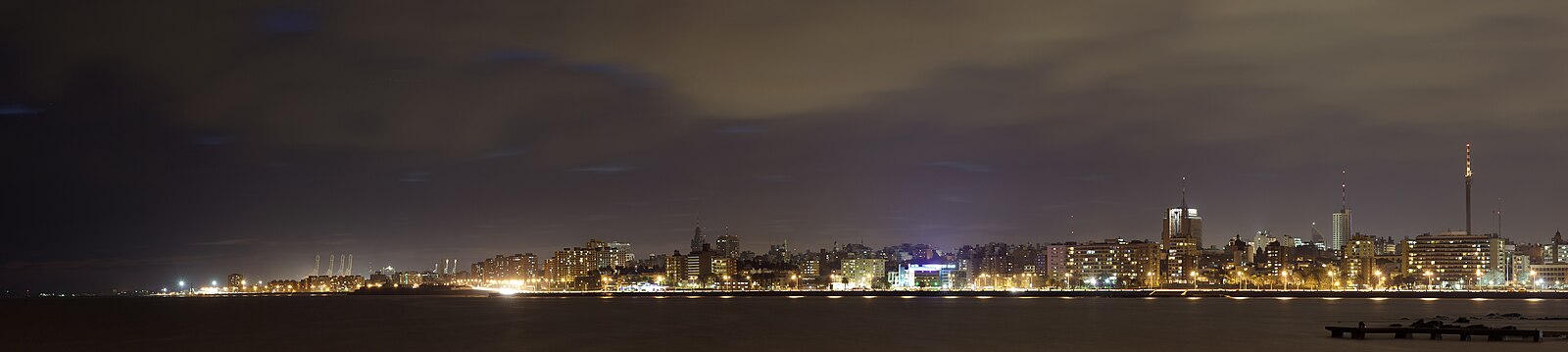
Uruguay's capital and largest city. Laid-back beach town vibe meets small capital city. Colonial old town, long waterfront promenade (Rambla), safe streets, and easy lifestyle. Most expats and nomads base here.
Popular Neighborhoods
Pocitos
Beach neighborhood, upscale, safe, families, best infrastructure, expat central
Best for: Families and professionals wanting beach access, safety, and quality of life
Carrasco
Most upscale, near airport, very safe, quiet, residential, wealthy
Best for: Those wanting maximum comfort, safety, and willing to pay premium
Ciudad Vieja
Historic old town, colonial architecture, bars, restaurants, bohemian, touristy
Best for: Those wanting historic charm and walkable old-world atmosphere
Punta Carretas
Upscale residential, shopping mall, safe, near Pocitos beach
Best for: Professionals wanting mix of residential calm and urban amenities
Coworking Spaces
Popular with international community, Pocitos location
Premium space in World Trade Center
Boutique coworking, community-focused
Local Tips
- ● Montevideo is small (1.3M people) - feels more like a large town than capital city
- ● The Rambla (waterfront promenade) is 22km long - perfect for walks, runs, bikes
- ● Beach season: December-March (summer). Winters mild but gray.
- ● Public transit adequate but most expats use cars or taxis
- ● Very safe - can walk most neighborhoods at night
- ● Mate (tea) culture is huge - thermos under arm is national symbol
- ● Uruguayans are reserved compared to other Latin Americans - takes time to make local friends
- ● Close to Buenos Aires (3-hour ferry) for weekend culture fix
Punta del Este
Luxury beach resort town. The Monaco/Hamptons of South America. Beautiful beaches, upscale restaurants, casinos, golf. Expensive and seasonal (busy Dec-Feb, dead in winter).
Popular Neighborhoods
Peninsula
Center of town, harbor, restaurants, walkable, tourist hub
Best for: Those wanting to be in the action during high season
Playa Brava
Atlantic side, big waves, famous hand sculpture, more rugged
Best for: Surfers and those wanting dramatic ocean views
Coworking Spaces
Seasonal, very quiet off-season
Local Tips
- ● VERY expensive and seasonal - think 3x Montevideo prices in summer
- ● Ghost town May-November (winter) - most businesses close
- ● Tiny nomad community - mostly wealthy Latin Americans
- ● Beautiful but not practical for year-round nomading
- ● Best for summer months (Dec-Feb) if you can afford luxury
Colonia del Sacramento
Charming UNESCO World Heritage colonial town across from Buenos Aires (1-hour ferry). Cobblestone streets, historic center, very small and quiet. Weekend destination more than nomad base.
Popular Neighborhoods
Barrio Histórico
UNESCO site, colonial, very touristy, beautiful, tiny
Best for: Those wanting ultimate slow pace and historic charm
Coworking Spaces
Local Tips
- ● Tiny town (~25,000 people) - very limited infrastructure
- ● No real nomad community or coworking
- ● Better as weekend getaway from BA than full-time base
- ● Beautiful for short stays, boring long-term
General Tips for Uruguay
- ● Uruguay is nicknamed 'the Switzerland of South America' for its stability, safety, and boring predictability
- ● It's the most progressive country in Latin America - first to legalize marijuana, gay marriage, abortion
- ● Montevideo feels more like a European coastal town than Latin American capital
- ● Uruguay uses Uruguayan Peso (UYU) but USD widely accepted in tourist areas
- ● Banking system is good and stable - easier to open accounts than Argentina
- ● Healthcare is excellent by regional standards - both public and private systems work well
- ● Education system is strong - good for families with children
- ● Uruguayans are more reserved and formal than other Latin Americans - less warm initial reception but loyal friends
- ● Mate culture is everywhere - sharing mate is social bonding ritual
- ● Asado (BBQ) culture similar to Argentina but slightly less intense
- ● Football is huge - Nacional and Peñarol are historic rivals
- ● Beach culture in summer - everyone goes to the coast
- ● The country is tiny - you can drive across it in 5 hours
Prices are approximate and based on publicly available data as of 2026-04. Actual costs vary by individual circumstances and market conditions.
After You Arrive
RUT (Registro Único Tributario)
Needed for various administrative tasks including banking and long-term housing
Bank Account
Can open: Yes
Recommended: BROU (state bank), Itaú, Santander, BBVA
Alternatives: Wise works well. Local banking is stable and recommended for long-term stays.
Housing Search
Main platforms: Mercado Libre, Infocasas, Gallito, Airbnb, Facebook Groups (Expats in Uruguay), Real estate agencies
- • 2-month deposit common (1 month rent + 1 month guarantee)
- • Furnished rentals less common than Argentina
- • Agencies charge 1-month fee
- • Long-term contracts usually in USD or inflation-adjusted
- • Pocitos and Punta Carretas are most popular with expats
What Nobody Tells You
Uruguay formalized its remote work visa in 2023, but it's been quietly remote-work friendly for years. Many digital nomads used tourist visas or regular residence visas before the formal program.
Uruguay is often called 'the most boring country in Latin America' - and that's exactly the appeal. No coups, no economic crises, no dramatic politics. It's stable, predictable, and safe. If you want excitement, go to Buenos Aires (3-hour ferry away).
Uruguay's average salary is around $1,400/month, making the $1,500 visa requirement close to local wages. You'll live comfortably but not lavishly like in cheaper Latin American countries.
Montevideo has the lowest nomad community of any major South American city. This is both pro and con - less competition for housing/coworking but also lonelier. Many nomads do 3 months Uruguay, 3 months Buenos Aires.
Uruguay was the first country to legalize marijuana (2013), gay marriage (2013), and abortion. It's the most progressive country in Latin America socially and politically.
Mate (pronounced MAH-teh) is Uruguay's social glue. It's a caffeinated tea drink shared from a gourd with a metal straw. Uruguayans carry thermoses everywhere and constantly sip mate. Sharing mate is a sign of friendship.
The Rambla (waterfront promenade) is Montevideo's crown jewel - 22km of walkable/bikeable path along the Rio de la Plata. It's where locals exercise, socialize, and watch sunsets. Living near the Rambla is highly desirable.
Punta del Este is where wealthy Argentines and Brazilians vacation in summer (December-February). Prices triple and the town is packed. Off-season it's a beautiful ghost town. Not practical for year-round nomading unless you're wealthy.
Income in Context
Visa Requirement
$1,500/mo
Local Average Wage
$1,400/mo
Living Costs
The $1,500/month requirement is just above Uruguay's average wage of ~$1,400. Montevideo rent: $700-1,100 for 1BR in good neighborhoods. Total monthly costs: $1,500-2,200. The requirement ensures you can live comfortably but not lavishly.
Uruguay is the most expensive country in South America, comparable to Southern Europe. Groceries, dining, and services cost more than neighbors Argentina and Brazil. However, quality of life, safety, and stability are significantly higher.
Advanced Questions
How does Uruguay compare to Argentina for nomads?
Will I pay taxes on my foreign income?
Can this visa lead to permanent residency and citizenship?
Is Montevideo too boring for nomads?
Is Uruguay safe?
Do I need to speak Spanish?
Compare Uruguay with Other Visas
Side-by-side comparisons covering income, duration, tax, and application process.