South Africa Digital Nomad Visa
Remote Work Visa
Overview
Nomad Score
Our unique composite ratingFees, processing, online application
Duration, renewability, family
No tax on foreign income
Safety, healthcare, development
Internet, English, tap water
Nomad Score is calculated from visa accessibility, stay flexibility, tax benefits, living quality (UNDP, UNODC, WHO data), and digital infrastructure. Updated 2026-04-04.
Application Process
Prepare Documents
Gather 8 required documents including valid passport (6+ months validity), proof of employment with foreign company or business ownership
Submit Application
Submit at an embassy or consulate abroad
Processing
Wait 30-60 days for a decision
Approval
Receive your visa approval (fee: $150)
Arrive & Register
Register within Register address within 30 days
Prepare Documents
Gather 8 required documents including valid passport (6+ months validity), proof of employment with foreign company or business ownership
Submit Application
Submit at an embassy or consulate abroad
Processing
Wait 30-60 days for a decision
Approval
Receive your visa approval (fee: $150)
Arrive & Register
Register within Register address within 30 days
Visa Requirements
Financials
- Income Proof
Must demonstrate employment with a foreign company or be self-employed earning at least R50,000/month (~$2,700/month). Proof via employment contract, pay slips, or business income statements.
- Income Type
employment_or_business
Background & Health
- Health Insurance Required
- Background Check Required
- Minimum Age 18+ years old
Advantages
- • Extremely affordable for USD/EUR earners (weak rand)
- • Stunning natural beauty (Table Mountain, Garden Route, safaris)
- • First-world infrastructure in major cities
- • English widely spoken
- • 12-month initial stay
- • Renewable up to 3 years
- • Family members can join
- • Vibrant culture and food scene
- • Great wine regions
- • Outdoor activities (hiking, surfing, wildlife)
- • Fast internet in cities
- • Moderate climate (Cape Town)
Disadvantages
- • Safety concerns in certain areas - crime rates higher than most nomad destinations
- • Load shedding (rolling blackouts) can disrupt work
- • Political and economic instability concerns
- • High inequality visible throughout
- • Long flight distances to other continents
- • Visa processing can be slow and bureaucratic
- • Must apply from abroad (cannot convert tourist visa)
- • Tax situation complex - professional advice needed
Tax & Legal
Foreign Income
South Africa generally does not tax foreign-sourced income for holders of this visa, making it highly attractive for remote workers.
Foreign income may be exempt under certain conditions
Local Income
Income earned from local South Africa sources is taxable at standard rates.
South Africa taxes residents on worldwide income, but foreign employment income earned while working remotely for non-SA companies may be exempt. Tax residency is based on physical presence tests. Consult tax advisor for specific situation.
Living in South Africa
All ratings use a unified A–D scale. A = best for digital nomads in each category.
Affordable
Numbeo Cost of Living Index: 32/100 (NYC=100, lower=cheaper)
Exercise Caution
UNODC Homicide Rate: 41.9/100k population
Limited — Private Insurance Recommended
WHO Universal Health Coverage Index: 55/100
Adequate — Coworking Recommended
Ookla Speedtest: 40 Mbps median download
Medium Development
UNDP Human Development Index: 0.717
Subtropical east, Mediterranean southwest — generally warm and sunny
WHO/UNICEF JMP
Widely spoken
Climate classification
Sources: UNDP HDR 2024 · UNODC Homicide Data · WHO UHC 2023 · Numbeo · Ookla · WHO/UNICEF JMP. Updated 2025-07.
Common Questions
How much does the South Africa digital nomad visa cost?
How long can I stay in South Africa with a digital nomad visa?
Can I bring my family on a South Africa digital nomad visa?
Do I need to pay taxes in South Africa as a digital nomad?
Can I apply for the South Africa digital nomad visa online?
What is the special tax regime in South Africa?
How do I renew my South Africa digital nomad visa?
Where to Live & Work
Cape Town
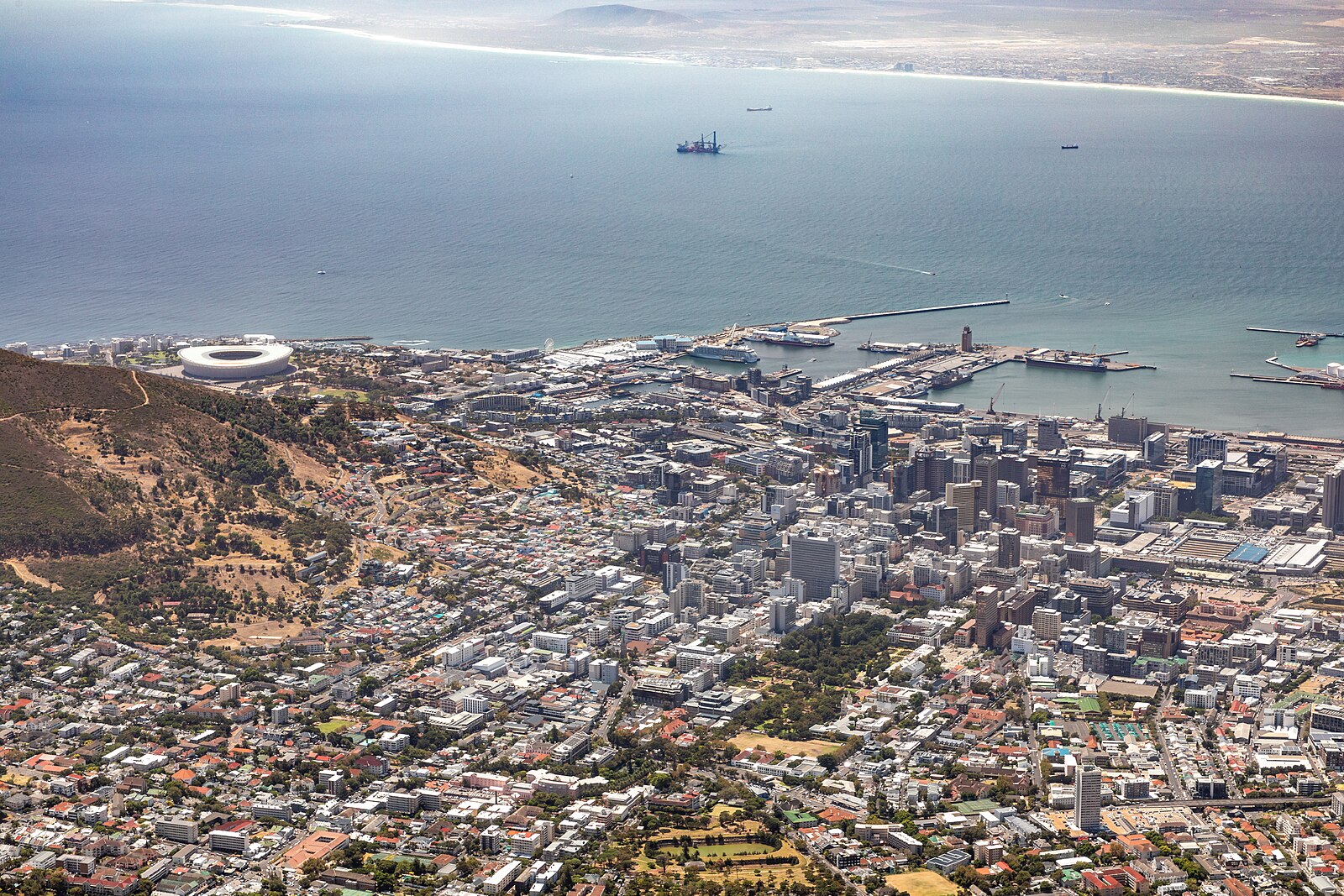
Stunning setting beneath Table Mountain. Beaches, wine regions, trendy neighborhoods, thriving startup scene. Most popular nomad destination in Africa.
Popular Neighborhoods
Sea Point
Beachfront promenade, cafes, restaurants, urban beach life
Best for: Nomads wanting ocean views and walkable lifestyle
Woodstock
Hipster, arts district, street art, galleries, trendy cafes
Best for: Creative types wanting edgy, artistic community
Green Point
Central, near waterfront, stadium, safe, family-friendly
Best for: Families and professionals wanting safety and convenience
Observatory
Bohemian, students, live music, alternative, affordable
Best for: Budget nomads wanting local, alternative vibe
Coworking Spaces
Multiple locations, largest coworking network in SA
Creative space in Woodstock
Professional space in Gardens
Local Tips
- ● Load shedding (rolling blackouts) affects work - get backup battery/inverter
- ● Use Uber/Bolt - safer than walking at night
- ● Table Mountain hikes are world-class
- ● Wine regions (Stellenbosch, Franschhoek) nearby
- ● Summer (Dec-Feb) is peak season - book ahead
Johannesburg
Business and economic hub. Largest city. Thriving startup scene. More affordable than Cape Town. Gateway to safaris (Kruger National Park).
Popular Neighborhoods
Sandton
Business district, luxury, safe, high-rises, shopping malls
Best for: Professionals wanting modern, safe, business environment
Rosebank
Upscale, shopping, restaurants, safe, convenient
Best for: Expats wanting urban convenience and safety
Maboneng
Hipster, arts precinct, street art, galleries, weekend markets
Best for: Creative nomads wanting edgy, artistic community
Coworking Spaces
Multiple locations across Joburg
Tech-focused coworking
Local Tips
- ● Safer than reputation but use car/Uber - don't walk at night
- ● Highveld altitude (1,753m) means cooler climate
- ● Kruger National Park safaris 4-5 hours drive
- ● Load shedding impacts work - plan accordingly
Durban
Coastal city on Indian Ocean. Warm year-round. Beach culture. More affordable. Indian cultural influence (curry capital).
Popular Neighborhoods
Umhlanga
Beachfront, resort-style, modern, safe, family-friendly
Best for: Beach lovers wanting resort lifestyle
Morningside
Suburban, safe, convenient, shopping
Best for: Families wanting quiet, safe neighborhood
Coworking Spaces
Professional business center
Local Tips
- ● Warmer than Cape Town year-round
- ● Drakensberg mountains nearby for hiking
- ● Less touristy than Cape Town
General Tips for South Africa
- ● South African Rand (ZAR) is weak - approximately 18-20 ZAR to 1 USD. This makes SA extremely affordable for USD/EUR earners.
- ● Load shedding (rolling blackouts) is reality - invest in backup power (inverter, battery, generator) for work continuity
- ● Safety awareness essential - use Uber/Bolt at night, don't flash valuables, research safe neighborhoods
- ● First-world infrastructure in major cities - fast internet, good cafes, modern amenities
- ● Outdoor lifestyle - incredible hiking, beaches, surfing, wildlife safaris
- ● Time zone (UTC+2) works well for European clients, challenging for Americas
Prices are approximate and based on publicly available data as of 2026-04. Actual costs vary by individual circumstances and market conditions.
After You Arrive
South African Tax Number
Required if you become tax resident (physical presence tests apply). Consult tax advisor.
Bank Account
Can open: Yes
Recommended: Standard Bank, FNB, Nedbank, Absa
Alternatives: Wise works well for USD/EUR. Local account useful for rand expenses.
Housing Search
Main platforms: Property24, Private Property, Gumtree South Africa, Facebook Groups (Expats in Cape Town, etc.)
- • Security is priority - check neighborhood safety
- • Deposits: 1-2 months typical
- • Furnished apartments available
- • Short-term rentals common
- • Utilities often extra
What Nobody Tells You
South Africa offers first-world infrastructure at third-world prices. The weak rand (18-20 ZAR per USD) makes it incredibly affordable for USD/EUR earners. A $2,000/month budget provides a luxury lifestyle that would cost $5,000+ in Western countries.
Load shedding (rolling blackouts) is the elephant in the room. Power cuts happen daily during peak periods (winter especially). Invest in an inverter and battery backup for your workspace. Many coworking spaces and cafes have generators.
Safety requires awareness but shouldn't be paralyzing. Research safe neighborhoods (Sea Point, Green Point in Cape Town; Sandton, Rosebank in Joburg). Use Uber/Bolt at night. Don't flash valuables. Millions of expats live safely in SA by following common-sense precautions.
Average South African salary is around R20,000-25,000/month (~$1,100-1,400). The visa requires R50,000/month (~$2,700), putting you well above local average and enabling comfortable living.
Cape Town is the digital nomad hub - stunning natural beauty, strong wifi, thriving coworking scene, international food, wine regions. But Johannesburg offers better business connections and proximity to wildlife safaris (Kruger).
Income in Context
Visa Requirement
$2,700/mo
Local Average Wage
$1,200/mo
Living Costs
Visa requirement: R50,000/month (~$2,700 USD) is 2.25x local average wage (~$1,200/month). Rent: $500-900 for 1BR. Total costs: $1,200-2,000/month for comfortable living. The weak rand makes SA extremely affordable for USD/EUR earners. The R50,000 requirement ensures you're well above local earnings.
South Africa is one of the most affordable destinations for USD/EUR earners due to the weak rand. First-world infrastructure and services at developing-world prices. Rent, food, transport, entertainment are all cheap. Budget $1,500-2,500/month for excellent quality of life in Cape Town/Joburg.
Advanced Questions
Is South Africa safe for digital nomads?
What is load shedding and how does it affect remote work?
Will I pay South African tax on my foreign income?
Can my family join me?
How affordable is South Africa really?
Can I do safaris while in South Africa?
Compare South Africa with Other Visas
Side-by-side comparisons covering income, duration, tax, and application process.